Beginning Biodynamics
Earth, Water, & the Living Farm
November 14 – 15, 2026
What changes when we stop approaching the land only as something to manage, and begin approaching it as something we can learn from?
Biodynamics begins with the possibility that a farm or garden is more than a collection of soil, plants, animals, and water. It is a living whole, shaped by relationships, rhythms, histories, and forces that may not reveal themselves at first glance.
This weekend is an invitation to look again.
Together, we will explore soil, compost, plants, water, movement, and form through the practical tools of biodynamics. No prior experience is necessary.
Curiosity and imagination is enough.
Saturday, November 14th & Sunday, November 15th,
9AM-4:30PM at the Horn Farm Center
A Weekend of Encounter
We will begin not with an answer, but with the encounter itself.
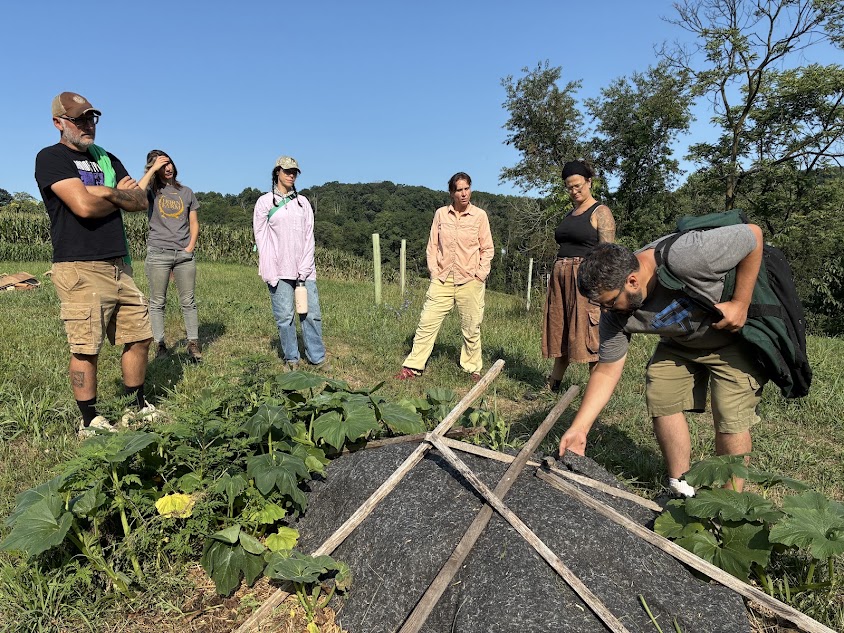
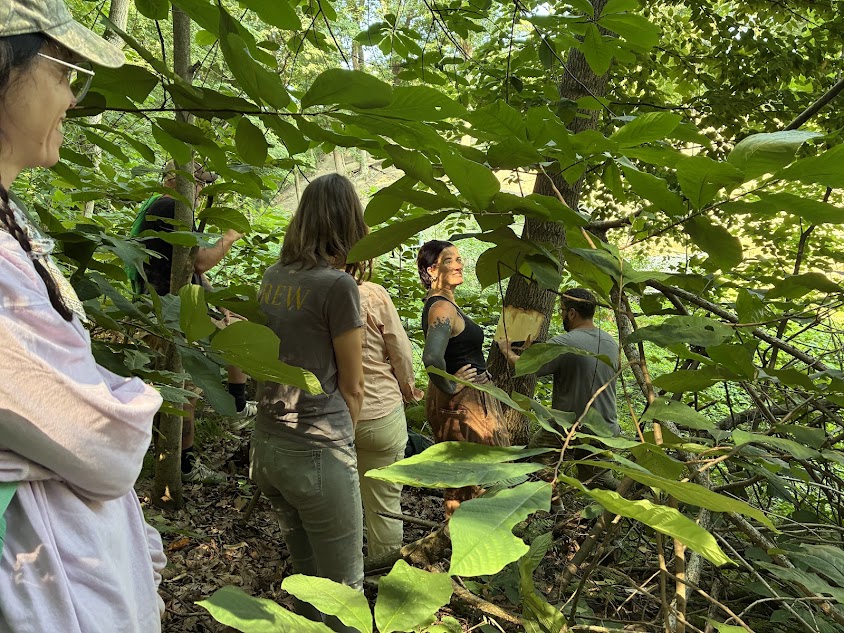
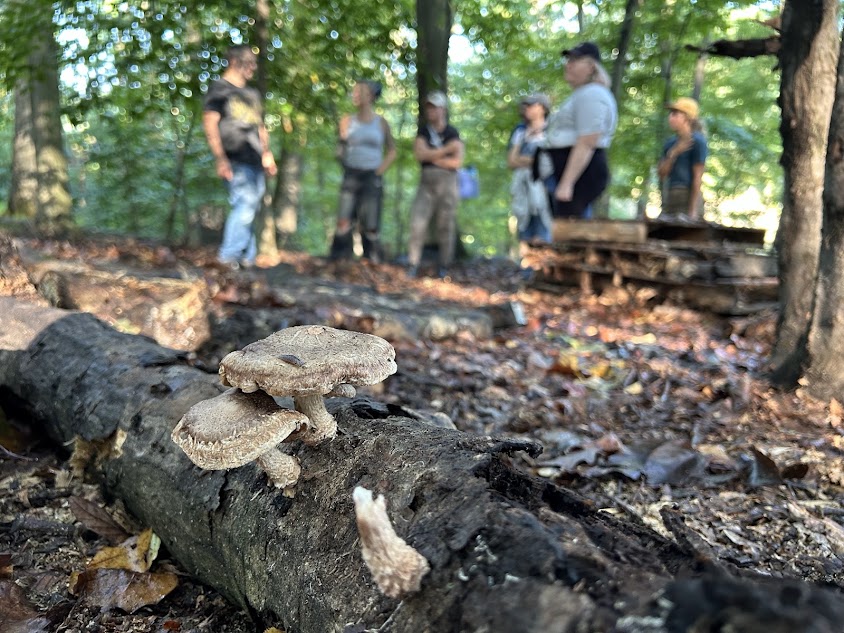
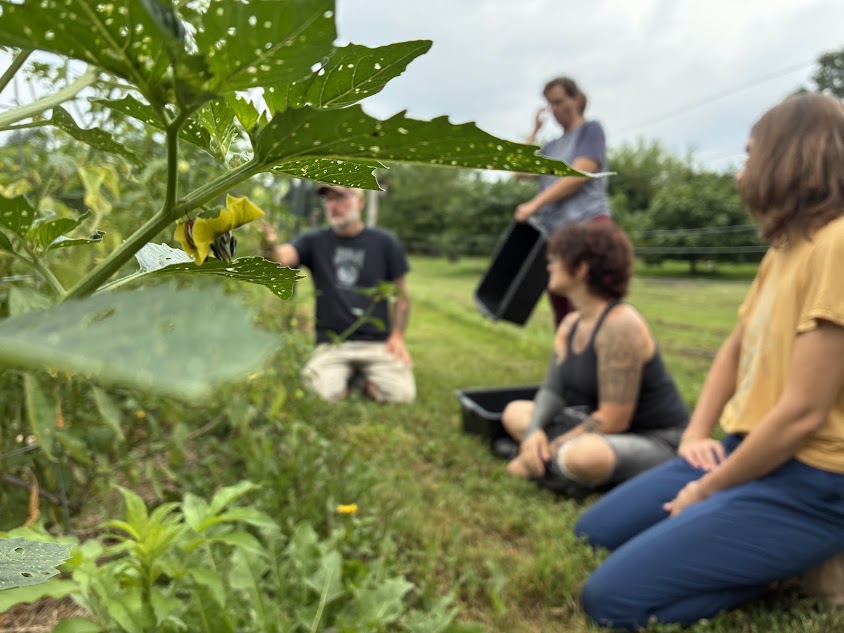
Through experiments, fieldwork, conversation, and shared observation, we will approach biodynamics as an open inquiry—one that asks us to look closely, compare experiences, and remain curious when the living world does not yield an immediate answer.
Some questions we’ll explore through biodynamic techniques include:
- What can a soil chromatogram reveal before we name what we see?
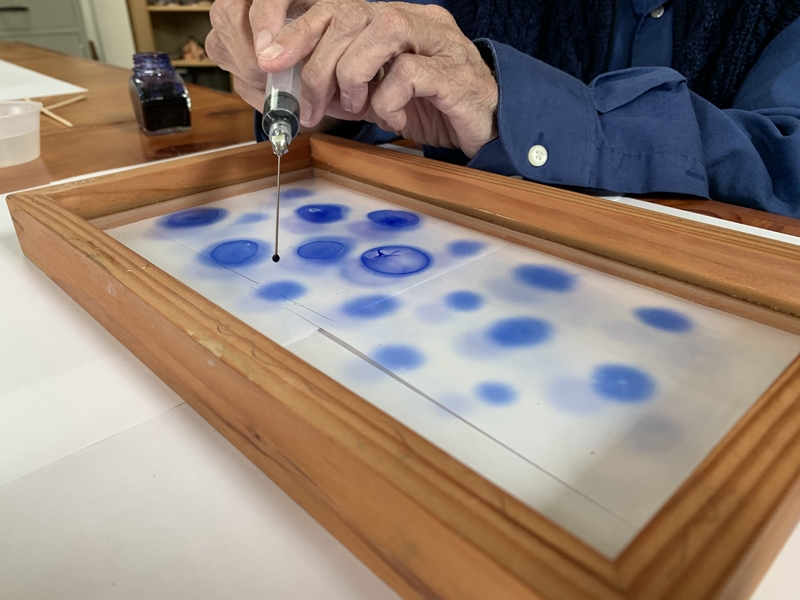
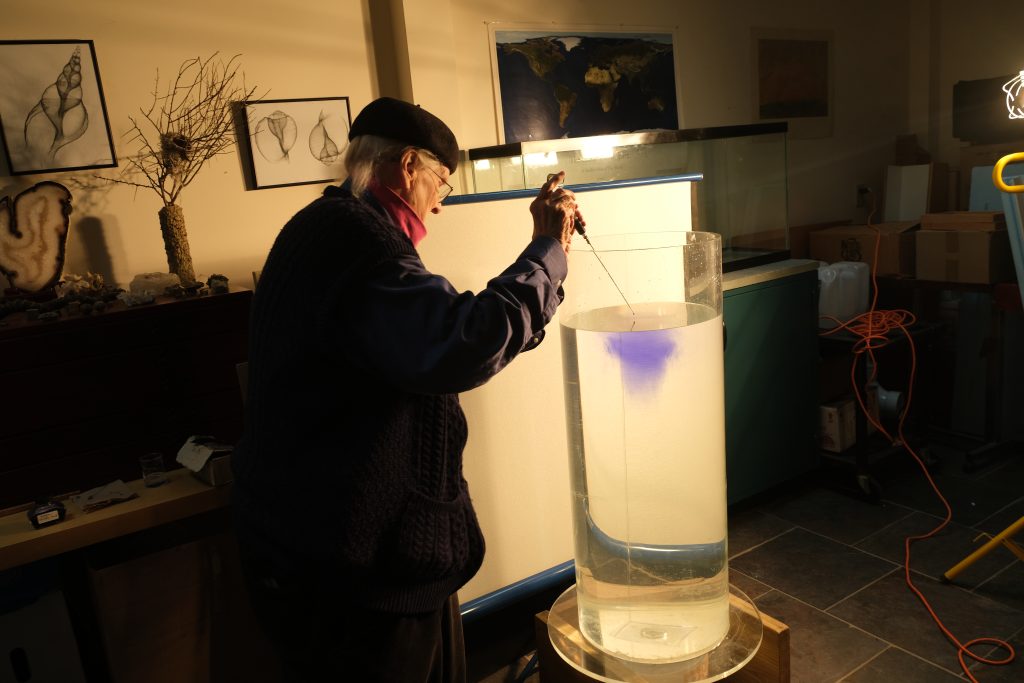
- What becomes visible when a drop falls through water? What can this tell us?
- What happens when we stir a preparation by hand, create order, release it into chaos, and begin again?
- How might a garden appear differently when we consider not only its individual parts, but the relationships holding them together?
The aim is not to leave with a finished system of belief, but with better questions, practical paths for further exploration, and a more intimate relationship with the place you tend.
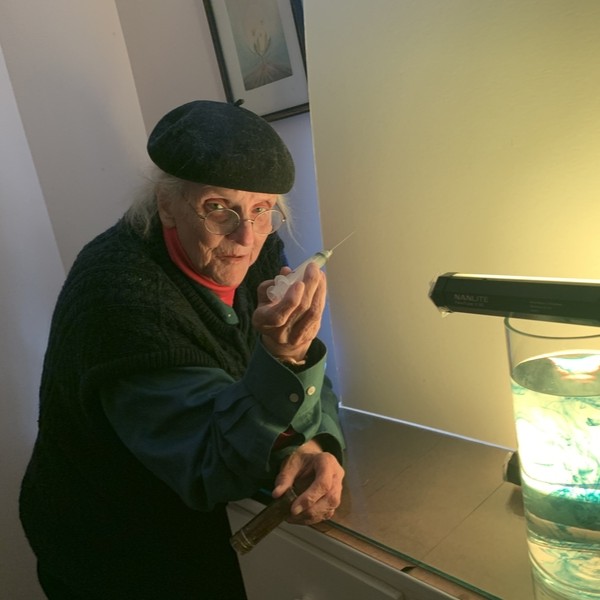
Special Guest Educator: Jennifer Greene
To truly set this weekend apart, longtime water researcher and educator Jennifer Greene will join us from New England to facilitate her signature session on observing and interpreting water.
For more than 50 years, Jennifer has devoted herself to understanding how water moves, how it creates form, and how it supports life. In and beyond the biodynamics movement, she has guided hundreds of people in deepening their relationship with water through observing form, movement, and the implications of this phenomenon. Jennifer brings an impressive resume, having presented at three World Water Forums, contributed to the World Summit on Sustainable Development, and taught throughout Africa, India, Europe and the United States.
At Horn Farm, participants will experience her approach through hands-on drop-fall experiments and close observation of water in movement. It is a rare chance to slow down, look closely and learn from a remarkable teacher who has made water her life’s work.
Jennifer’s session on Water Phenomenology will accept limited independent registrations for anyone who cannot attend the full weekend. See details below.
Core Concepts Explored
Soil as More Than a Substance
We often speak of soil in terms of what it contains: minerals, organic matter, nutrients, fungi, and moisture. All of these matter. But soil also has structure, activity, history, and relationship.
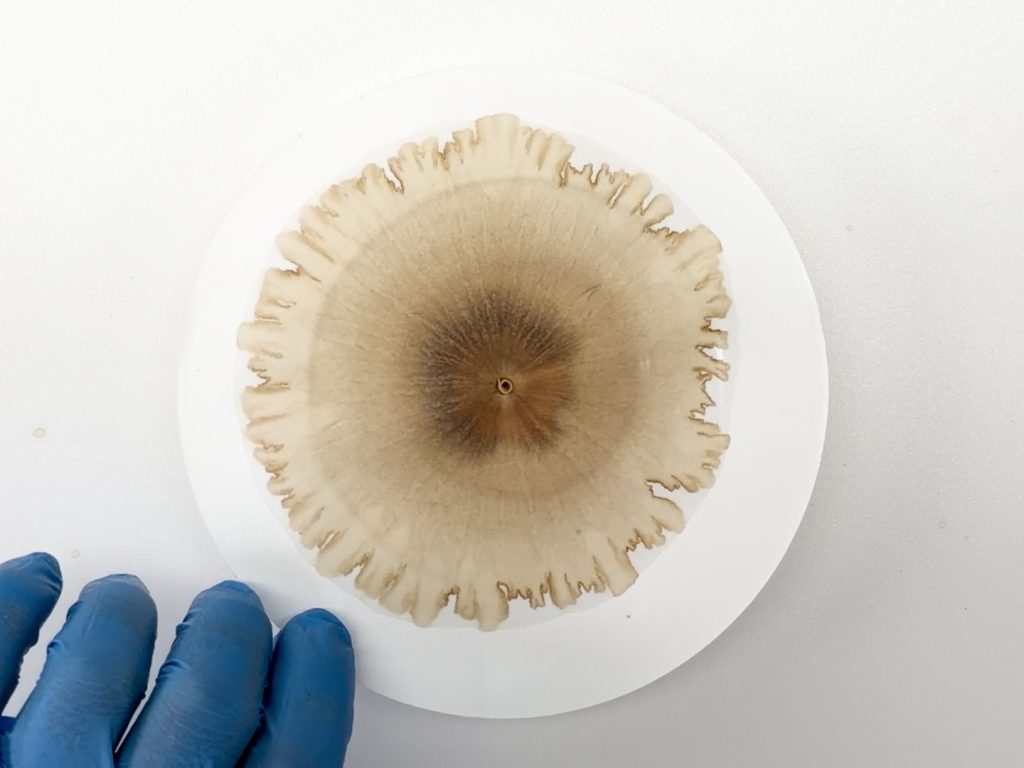
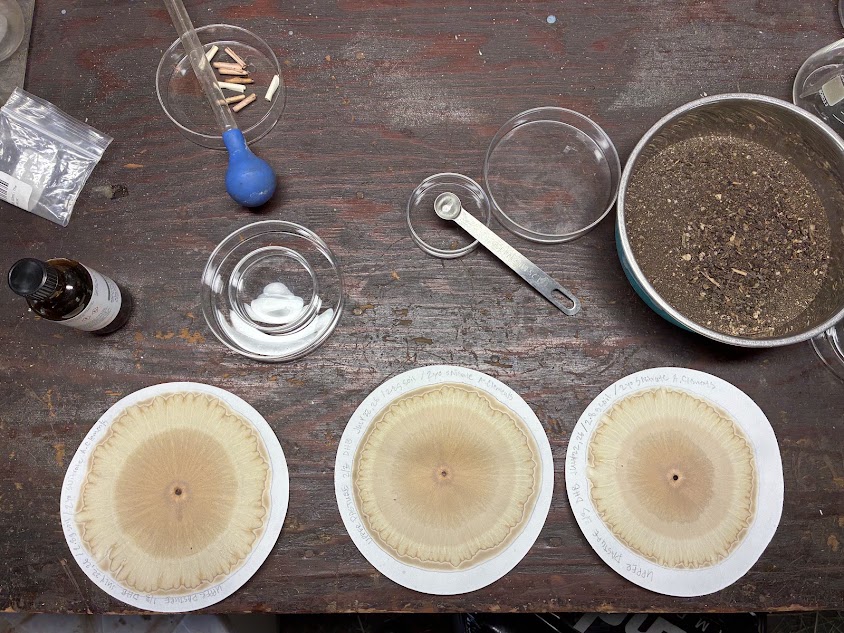
Using circular soil chromatography, we will create and examine images formed by the interaction of soil and reagents on filter paper. Rather than treating the chromatogram as a simple laboratory score, we will learn to observe its colors, forms, boundaries, movements, and degree of integration.
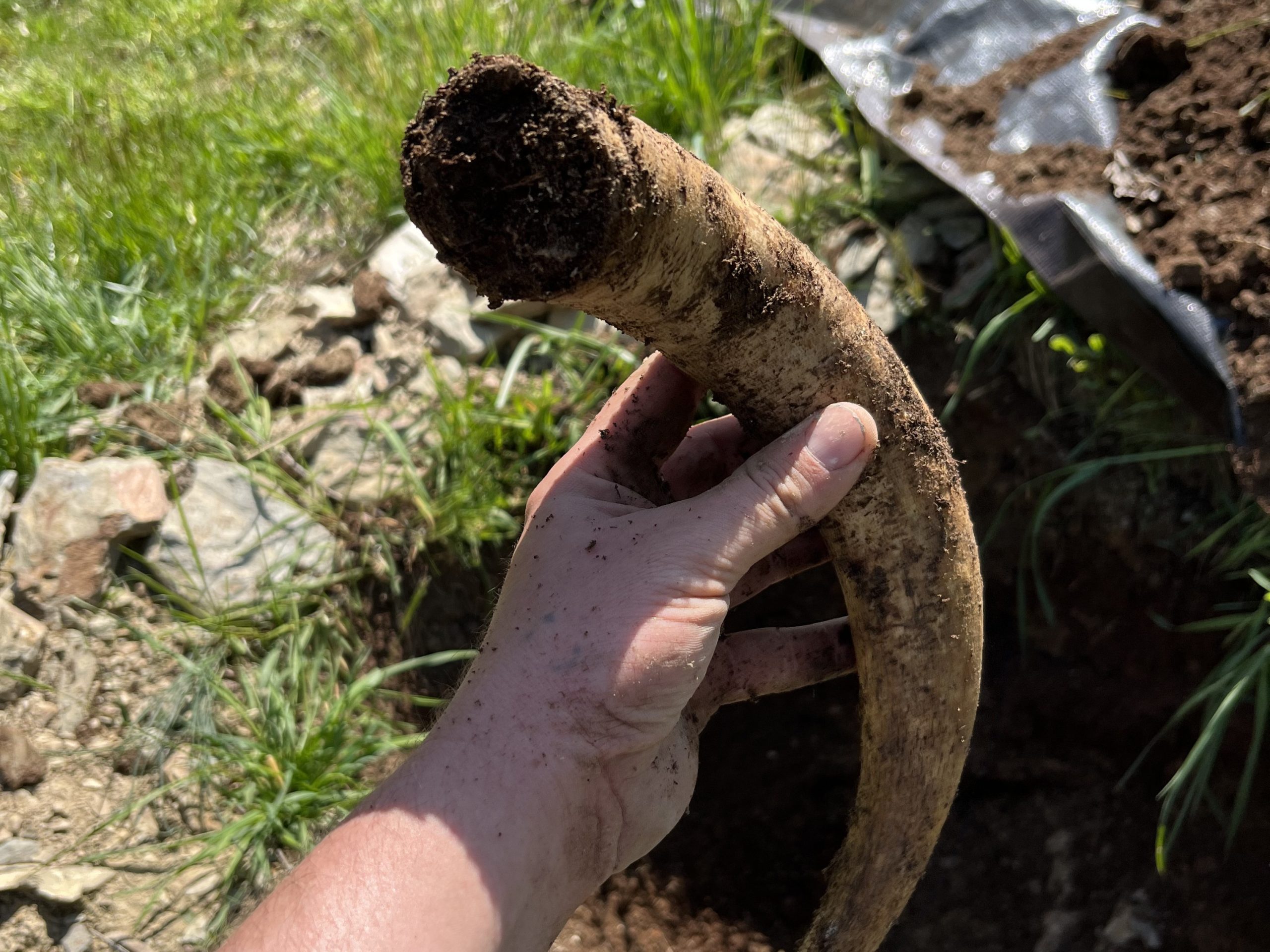
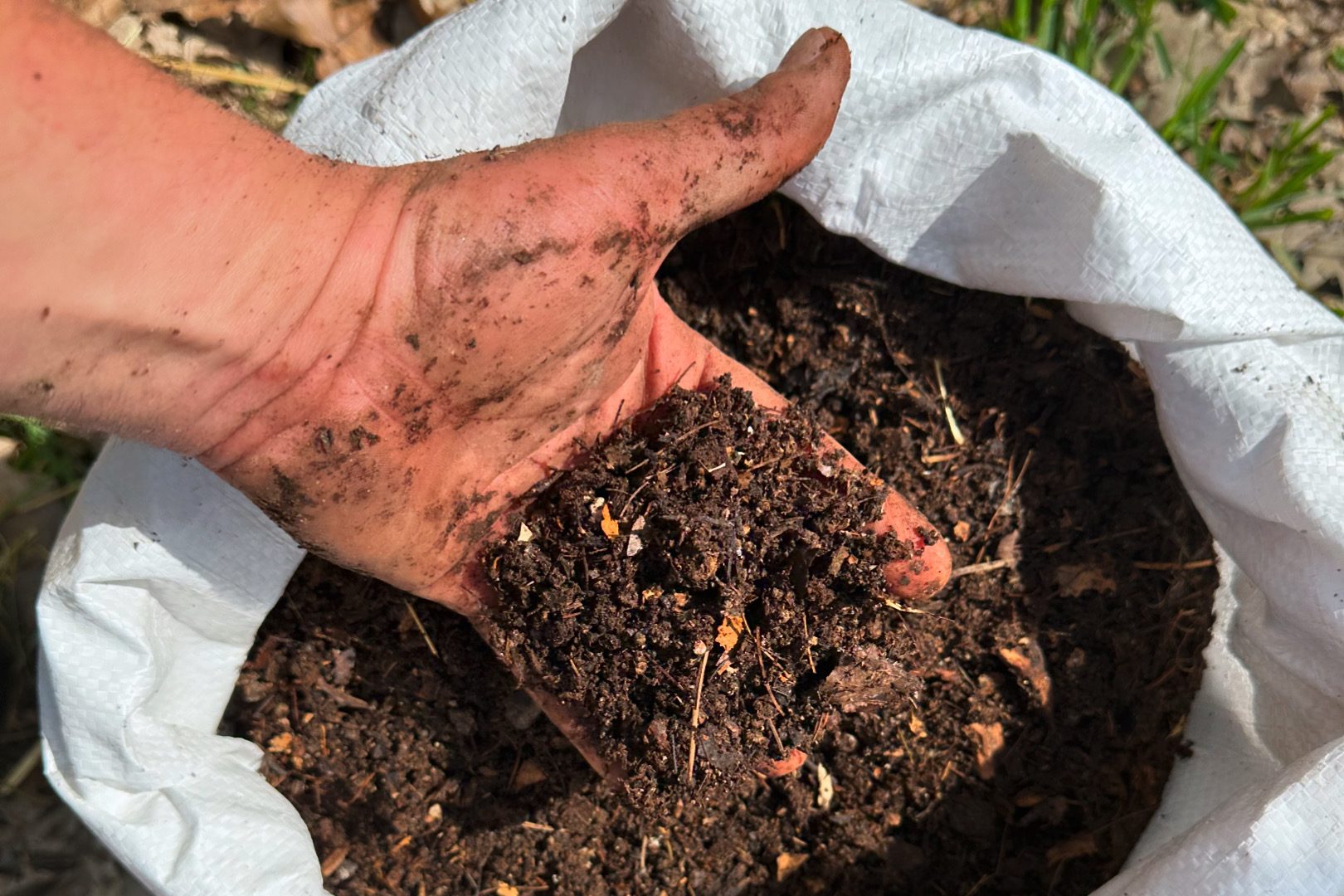
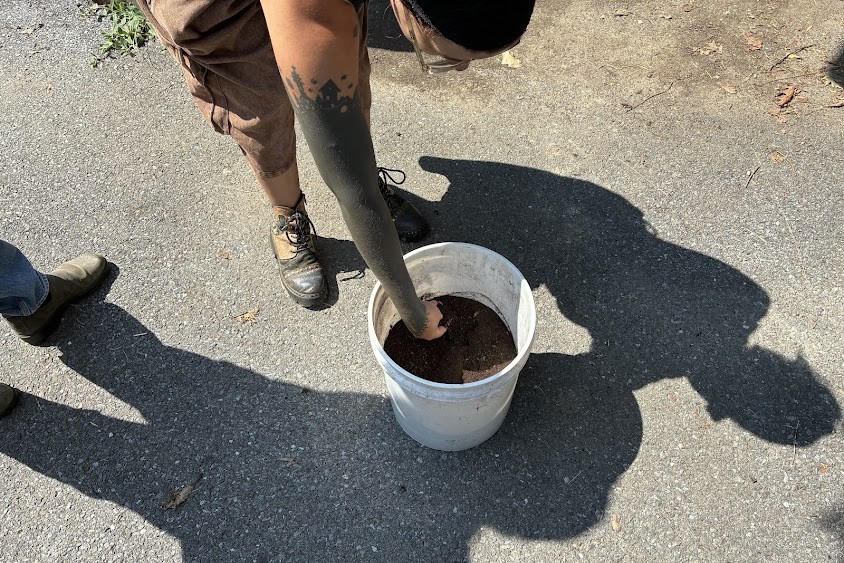
We will also work directly with compost preparations and BD500 horn manure, considering how biodynamics approaches fertility as a living process rather than merely the replacement of nutrients.
Participants will have the opportunity to bring soil from the places they tend, allowing the weekend’s questions to remain connected to their own gardens, farms, and landscapes.
Meeting Water in Movement
Water is everywhere in agriculture, yet we most often understand it through quantity: how much fell, how much is stored, how much a plant needs.
Thanks to special guest instructor, Jennifer Greene, we’ll be invited to encounter another dimension of water.
For more than fifty years, Jennifer has studied the movements, forms, and life-supporting qualities of water. Her teaching does not begin by telling participants what they should see. She offers a phenomenon, asks a careful question, and allows time for each person to observe.
Through hands-on drop-fall experiments and the close observation of water in movement, we will explore how water responds to rhythm, resistance, gravity, and form. We’ll do this using all of the senses.
This is a rare opportunity to spend time with a remarkable teacher who has made water her life’s work and to experience a form of inquiry in which attention itself becomes an instrument.
The Farm Within Larger Rhythms
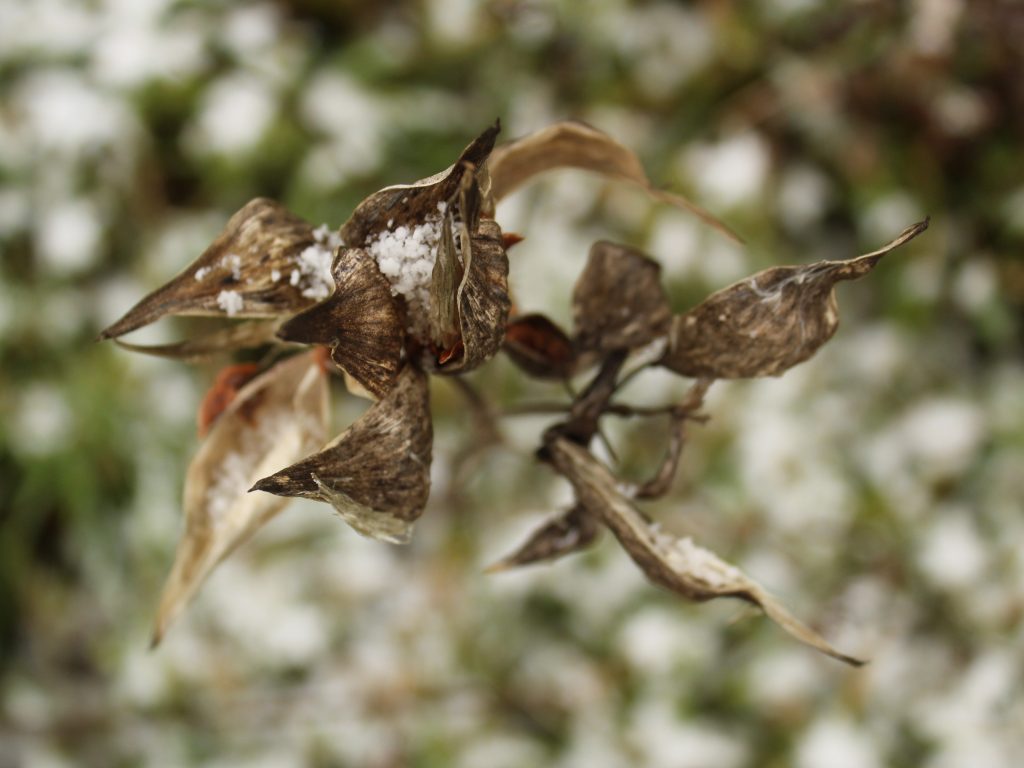
A plant does not grow in soil alone. It grows within daily and seasonal rhythms of light, darkness, warmth, moisture, dormancy, and emergence.
Biodynamics asks us to consider whether the movements of the Moon, planets, and wider cosmos also belong to this field of relationships—not as distant abstractions, but as rhythms that can be observed and worked with.
We will explore the biodynamic planting calendar as an invitation to experiment. Rather than asking participants to accept its indications as doctrine, we will consider how celestial rhythms might become the basis for observation, comparison, and continuing inquiry in our own gardens.
The Shape of the Weekend
Over two days, our work will move between classroom inquiry and direct experience in the field. While subject to change, here is an outline of the schedule we’ll follow:
Saturday, November 14th
9AM – 4:30PM
Morning: Seeing the Farm Anew
- Introduction to biodynamics and qualitative observation
- Discovering celestial rhythms and the biodynamic planting calendar
- Preparing soil samples and making circular soil chromatograms
- Hanging the chromatograms to develop and dry overnight
Afternoon: Water Phenomenology with Jennifer Greene
- An extended, experiential exploration of water
- Movement, rhythm, flow, and form
- Participatory water experiments and shared observation
Sunday, November 15th
9AM – 4:30PM
Morning: The Biodynamic Preparations
- Meeting the six biodynamic compost preparations
- Introduction to the biodynamic spray preparations
- Preparing and stirring BD500 horn manure
Afternoon: Bringing It to the Land
- Applying BD500 horn manure at the Horn Farm
- Revealing and studying our completed soil chromatograms
- Shared observations, conversation, and reflection
- Time for questions and discussion
A detailed schedule, optional soil-sample instructions, what to bring, accessibility information, meals, and weather preparedness will be provided before the weekend.
Who Is Invited?
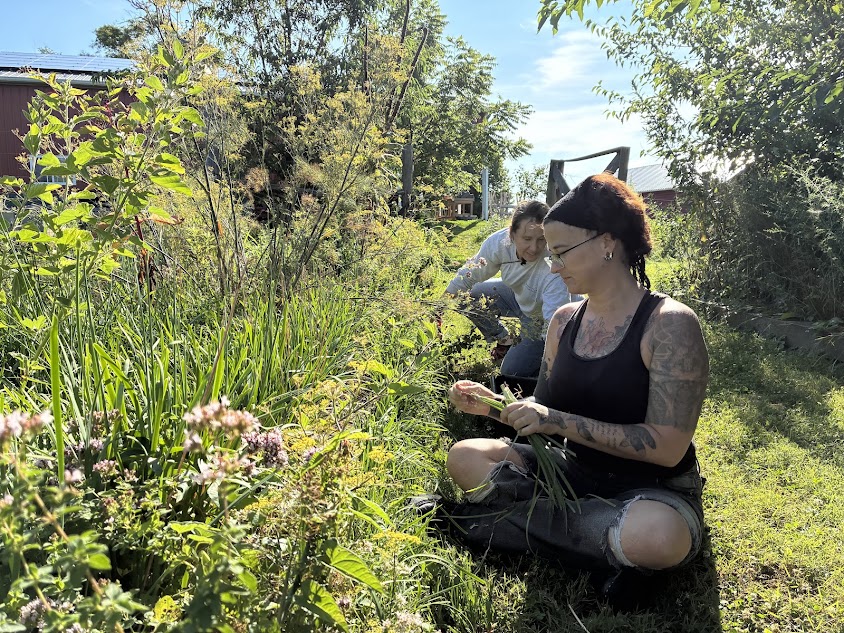
This weekend is for gardeners, farmers, educators, land stewards, naturalists, artists, and anyone curious about developing a more participatory relationship with the living world.
You may be tending hundreds of acres, a backyard garden, a community growing space, or no land at all. The scale of your work matters less than your willingness to look closely.
Those already familiar with biodynamics will find opportunities to return to its foundations through direct experience. Those encountering it for the first time will be offered an accessible beginning without being asked to master its language—or accept its claims—in advance.
Payment & Logistics
Full Weekend Cost: $285
Registrations close on Wednesday, November 11th
Sliding Scale: $240 – $330
This program offers sliding scale tuition. When registering, students will select a cost that aligns with their financial flexibility. We encourage folks to be generous if possible when selecting their payment tier, as any amounts paid over the base of the sliding scale automatically go into our scholarship fund.
- Standard Cost: $285
- Reduced Cost: $240
- At 85% of the standard rate, the reduced cost is meant for folks with financial constraints who need assistance to join the program.
- Pay-It-Forward: $330
- At 115% of the standard rate, pay-it-forward helps us offset the cost of supporting reduced rate registrations. This option is encouraged for folks with financial means who would like to support access for other participants.
Registration Options
Registration for the full weekend is highly encouraged.
However, limited spaces are available to join Jennifer Greene’s session on Water Phenomenology. This session will take place on the afternoon of Saturday, November 14th from 1PM-4:30PM. $65 to attend.
Go to the registration page and select the payment option for Water Phenomenology with Jennifer Greene in order to attend this session as a standalone experience.
Soil Chromatography Participation
Soil chromatograms are visual tools for observing invisible soil dynamics, like microbial activity and mineral structure.
Throughout the weekend, students will learn how to create and interpret these pictorial soil assessments. For students interested in bringing soil samples from home, instructions on preparing soil will be emailed two weeks in advance.
Students do not need to supply their own soil samples to participate in chromatrography. As a default, prepared soil samples from the Horn Farm will be available for everyone.
Students interested in using their own soil samples to create chromatograms must register by Sunday, November 1st.
Meet the Instructors
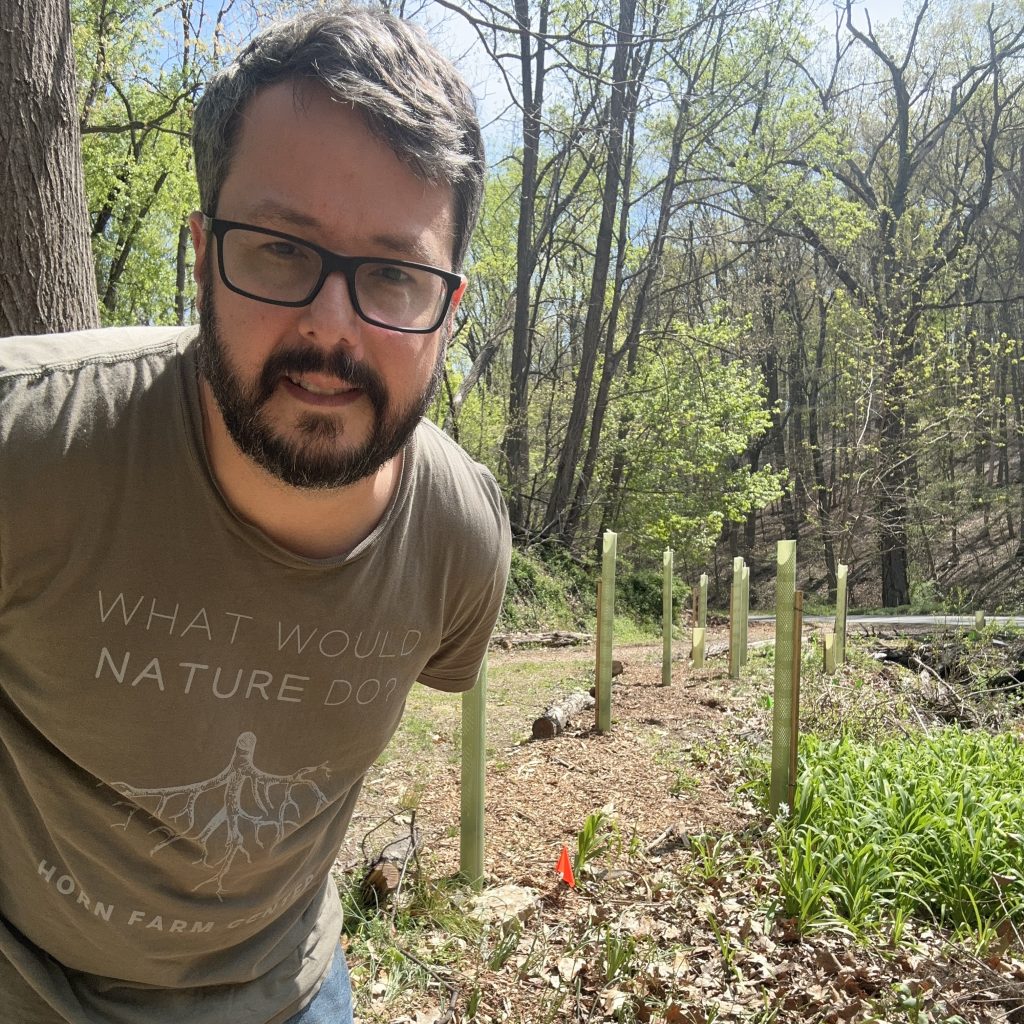
Allen Clements
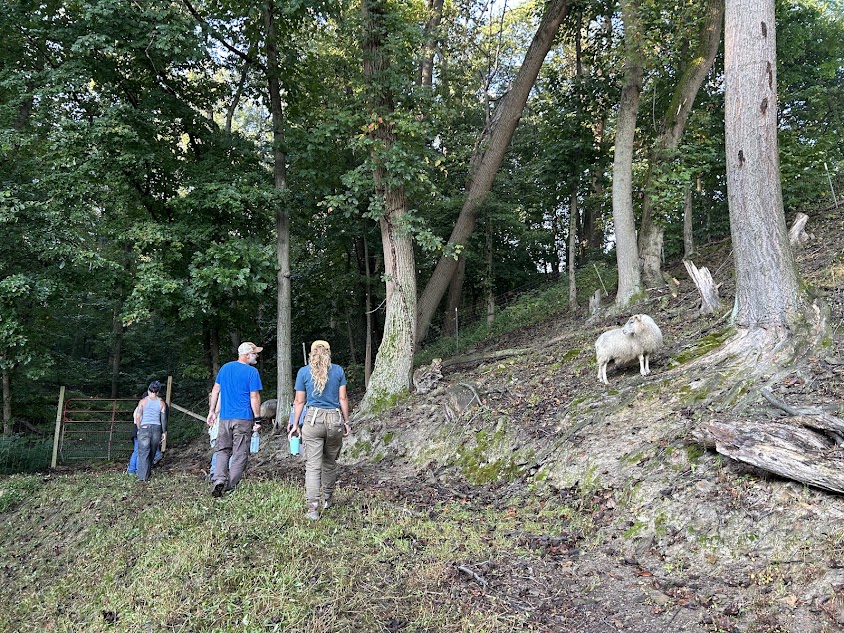
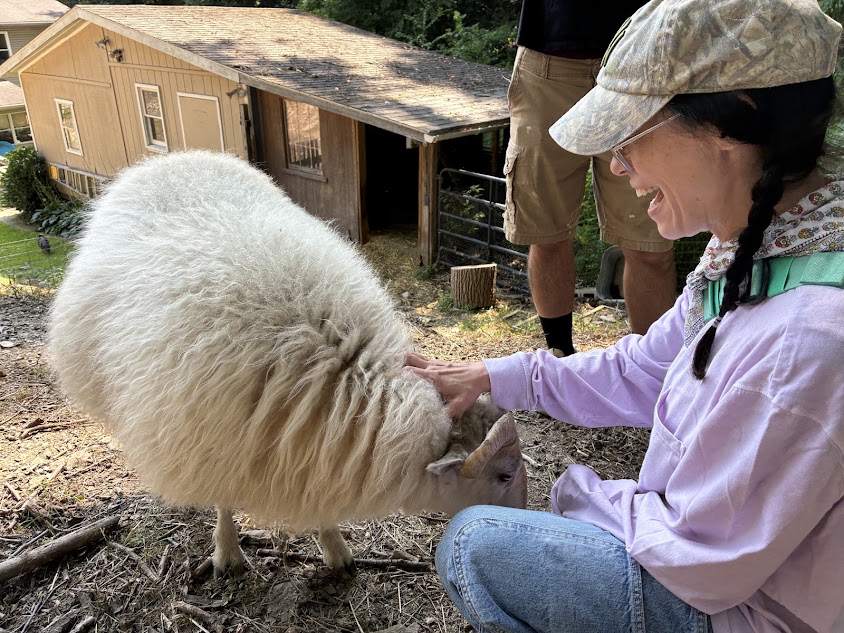
Allen Clements is a certified biodynamic practitioner, forest garden designer and co-founder of Dark Hollow Biodynamic, a 13-acre farmstead in Wrightsville, Pennsylvania. Dark Hollow is being developed as a diverse farm organism that includes Icelandic sheep, chickens, bees, native trees, woodland plants, water systems and the making of biodynamic preparations.
Allen’s approach to biodynamics is practical and rooted in observation. He is interested in how the preparations, soil, water, animals and larger rhythms of the farm can be experienced directly, without asking participants to begin with belief.
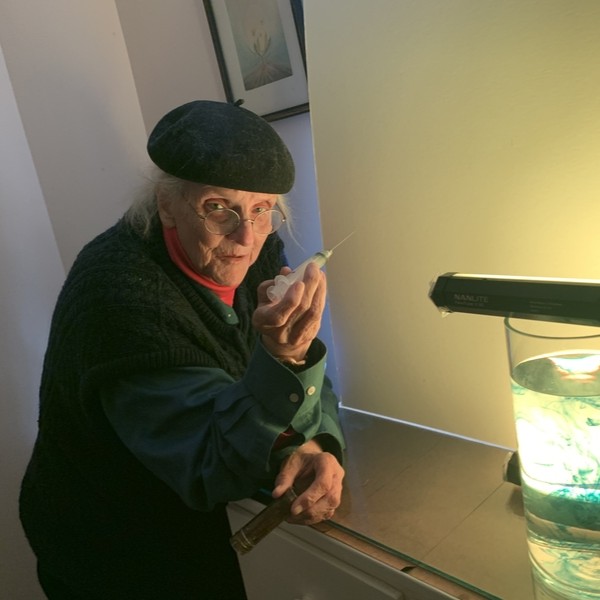
Jennifer Greene
Jennifer Greene is the founder and director of the Water Research Institute in Blue Hill, Maine. For more than 50 years, she has devoted herself to understanding how water moves, how it creates form and how it supports life. Her work builds on the research of Sensitive Chaos author Theodor Schwenk, and she helped establish North America’s first laboratory devoted to the Drop Picture Method.
Jennifer has brought this work into conversations around the world. She has presented at three World Water Forums, contributed to the World Summit on Sustainable Development and taught throughout Africa, India, Europe and the United States.
Foundations: What is Biodynamics?
Biodynamics emerged in the early twentieth century as a response to industrial agriculture and is now practiced around the world. It understands the farm as a living whole, shaped by the mineral realm, soil, plants, animals, people, and the rhythms of earth and sky.
Its methods include self-renewing fertility, specialized preparations, integrated plant and animal life, and attention to celestial rhythms and living form. Many biodynamic farms and products are certified through Demeter, whose standards extend beyond organic requirements.
The aim is not simply to avoid chemicals or increase production, but to grow food with greater quality, vitality, and capacity to nourish.
To explore more, visit the Biodynamics Association website and read the biodynamics Principles & Practices.
Biodynamics can be applied to land tending at any scale. Today’s practitoners range from small-scale backyard and urban gardeners to farmers producing on large acreages.