Abundantly Festive, Even with Fewer Fruits
What to Expect at the Pawpaw Festival in a Year Like No Other.
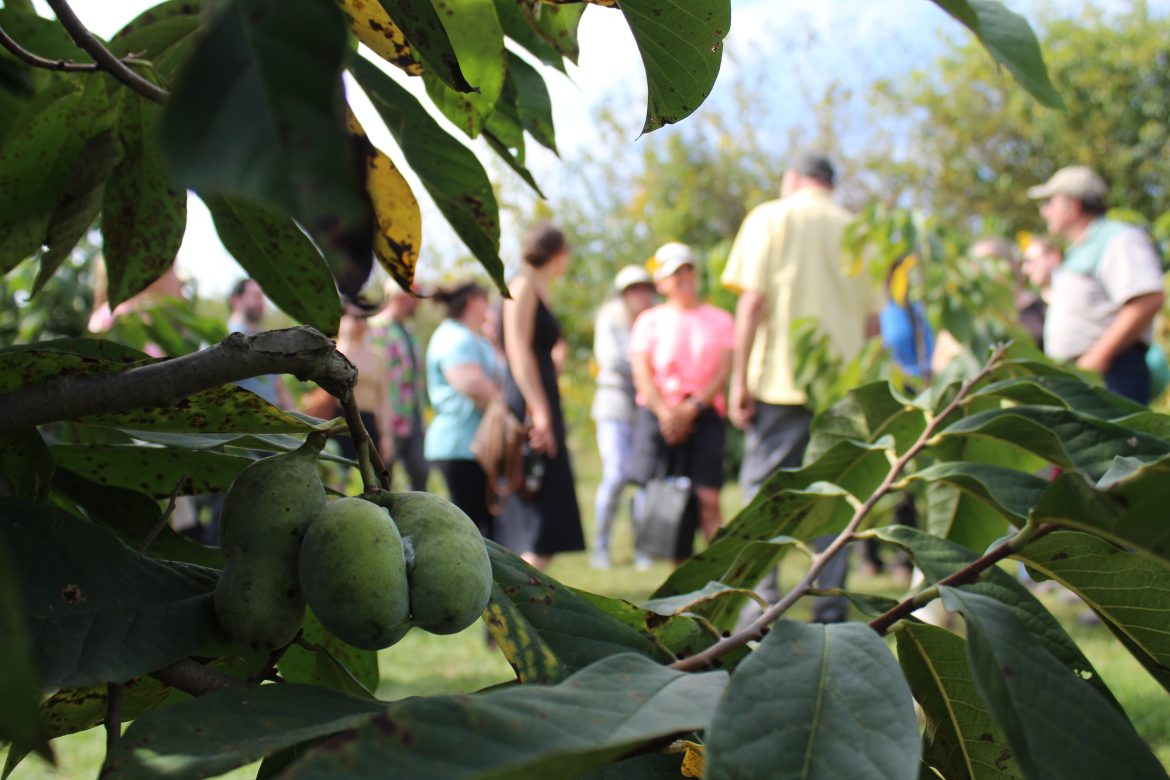
On Saturday, September 19th, the Horn Farm Center will host the 22nd York County Pawpaw Festival. This annual tradition brings people together to celebrate North America’s largest edible tree fruit, the pawpaw (Asmina triloba), which ripens for a short stretch of time each September. It’s a local food unlike any other – prized for its flavor, savored for its brevity, and beloved as a wild staple of the Lower Susquehanna Riverlands.
But pawpaw isn’t invincible. In the wake of a devastating spring for tree fruits, many people are wondering: how did the pawpaw fare? Was it affected as badly as apples and peaches? Will there be fresh fruit at the festival? Should we even go!?
Here’s what we know for certain: pawpaw crops were significantly impacted, and as a result, the 2026 festival will look different.
Unlike previous years, the availability of fresh pawpaw fruit will be limited. Nonetheless there will be plenty of opportunities to experience this fantastic fruit at the Festival – from pawpaw foods and beverages to merchandise and fanfare.
The Horn Farm Center is excited to host an extraordinary Festival this year, featuring unique regional foods, expanded education and entertainment, and a full weekend of fun and adventure thanks to our Wild & Uncommon partners.
Read on to learn about this year’s unprecedented circumstances and the top five reasons why this year’s Festival is still a must-do.
A Devastating Spring for Tree Fruits
Following consecutive nights of freezing temperatures between April 19th and 21st, fruit growers across Pennsylvania were reeling from the astounding losses that quickly became apparent. Words like “catastrophic,” “disastrous,” and “freakish” hit the headlines, and they weren’t sensational. A bulletin posted on June 1st by Penn State Agricultural Sciences reported that “current estimates suggest losses of 70% to 90% across many fruit crops [ … ] the damage is unlike anything many growers have seen in their lifetimes.” The Maryland Department of Agriculture echoed this sobering assessment, calling April’s freeze “one of the most significant crop losses in recent memory.”
From apples, peaches, and plums to apricots, cherries, and grapes, local orchards are now counting fruits by the handful. The Horn Farm Center’s teaching staff even experienced the losses during this spring’s foraging programs, skipping fruits like mulberry and wild cherry that usually sweeten our spring classes. Pawpaw growers may be fewer in number than conventional orchard farmers, but they too took a major hit. Our friends and partners at Threefold Farm in Mechanicsburg, PA shared the news in a Facebook post on May 9th:
“The result was a near total loss of all pawpaw blooms and first shoots … We had the odd pawpaw here and there that somehow made it through, but it was likely 0.1% that survived that kind of cold.”
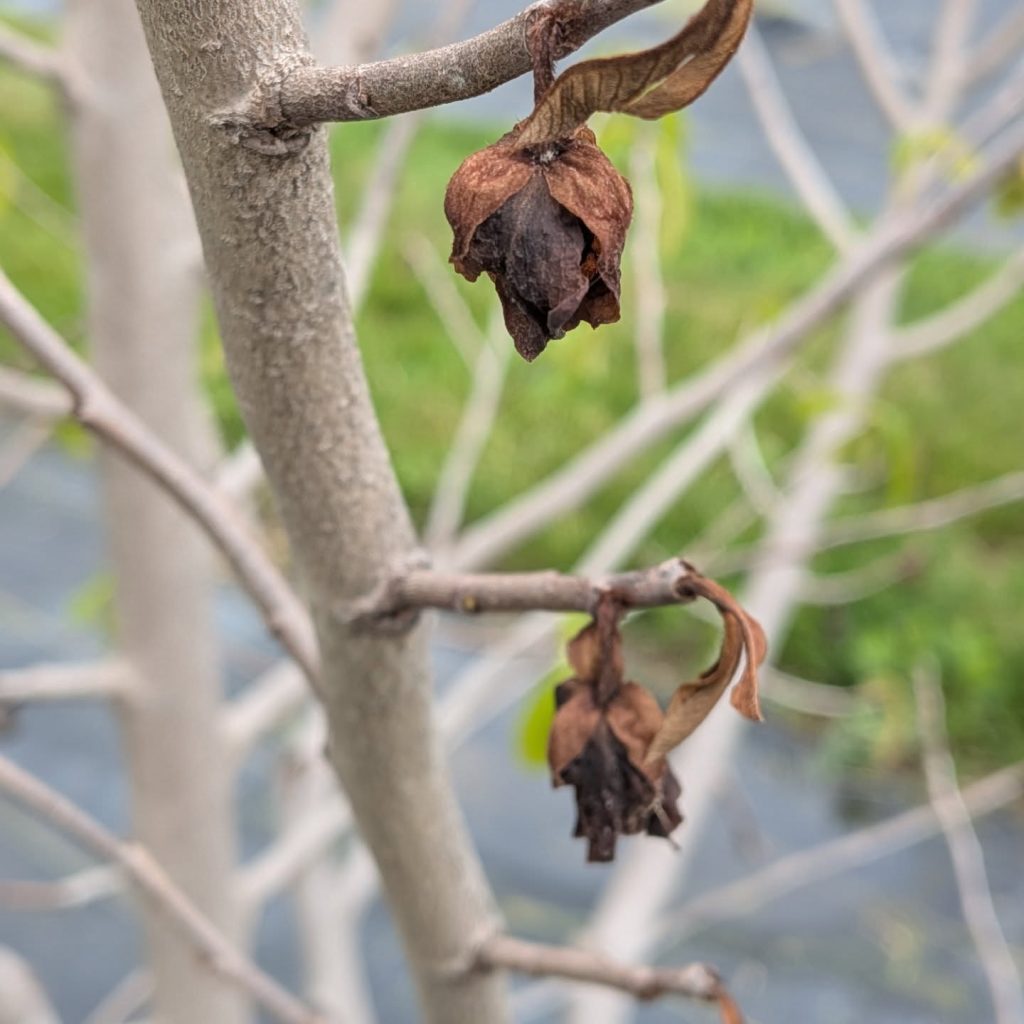
With ancient roots in the Lower Susquehanna Riverlands, it might seem surprising that pawpaws didn’t fare better. After all, their evolutionary history on this continent exceeds that of apples, grapes, and other cultivated fruits introduced from Eurasia. But despite the natural resilience of the pawpaw, this spring’s freeze was an anomaly. Unusually hot and humid temperatures in mid-April prompted fruit trees to break their dormancy prematurely. Flower buds opened, fueled by the summer-like warmth, only to be struck down the following week when overnight temperatures plummeted.
While devastated by the near-total crop losses that resulted, many people who make a living growing fruits also recognize how these unpredictable weather events are becoming, ironically, the “new norm.” Baltimore Magazine approached Two Boots Farm in Hampstead, Maryland about their pawpaw orchard, writing how “chasing after mercurial weather has become the norm at Two Boots. ‘This is what scientists have told us, that this is the direction weather is going, with more unpredictability and extreme weather events.’”
Bringing Change: Impacts on the 2026 Pawpaw Festival
So what does all of this mean for the York County Pawpaw Festival?
Festival-goers can expect to see fresh fruit at the 2026 festival, but in a very limited supply.
Because of this, limits will be placed on the amount of fruit each individual can purchase–possibly as low as one fruit per person. The actual amount of ripe, sellable fruit we can stock won’t be clear until the week before the festival, but due to the popularity of this annual event, we will be managing fruit inventory in a way that will ensure all attendees have a chance to enjoy pawpaw’s unique tropical flavors.
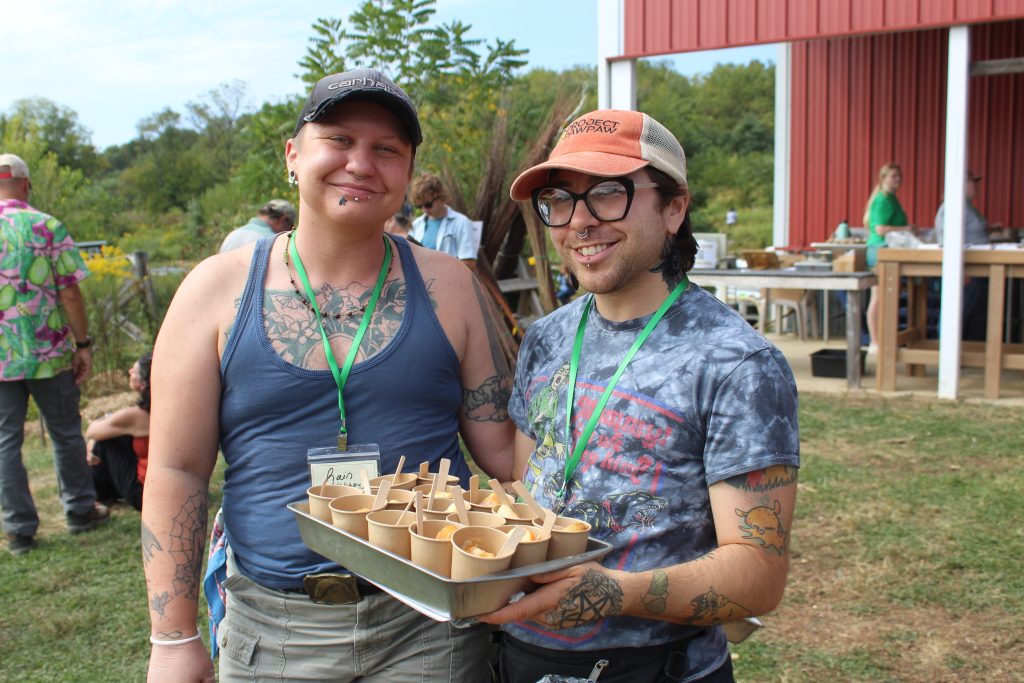
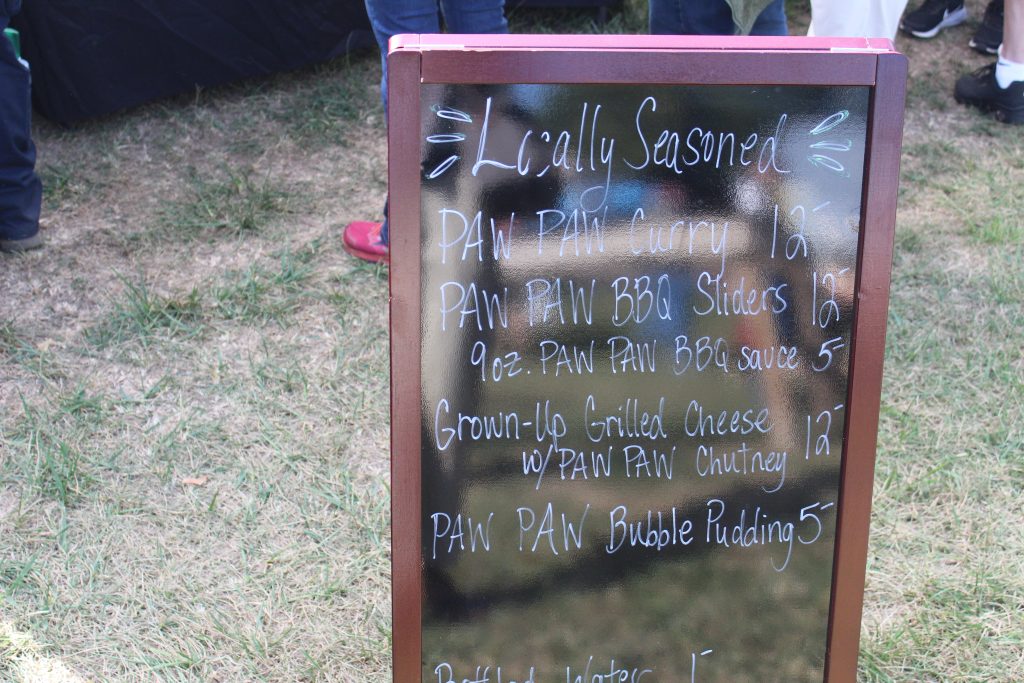
However, so goes the old adage, necessity breeds invention…Frozen pawpaw from last year’s harvest will provide flavorful tasting opportunities. Unique prepared foods like pawpaw spicebush jam will also be on offer. Many of our food vendors, like Locally Seasoned and Collusion Tapworks, will creatively incorporate pawpaw into meals, baked goods, and drinks, ensuring the flavor and fanfare will continue.
The prospects for wild fruit are also more promising; while orchards were especially vulnerable to the late spring freeze, wild trees were naturally better protected, with fruits higher off the ground and the surrounding forests providing cover.
All told, this year’s fruit shortage is a humbling reflection of the uncertain times we’re in. But with education and community at the core of the Pawpaw Festival, we’re proceeding in the ways ecosystems always have–adaptation, not defeat.
Top Five Reasons the 2026 Pawpaw Festival is Absolutely a Must-Do
“Come for the pawpaws, stay for the experiences!” This has become an unofficial motto of the York County Pawpaw Festival. In the wild, pawpaws don’t grow in a vacuum. They’re part of a complex and fascinating ecology. Just as biodiversity benefits the land, so diverse offerings have increasingly enriched the festival experience.
Here’s a glimpse of what we’re excited for in 2026, and why you should grab your tickets now for September 19!
1. Be Inspired & Learn Something New
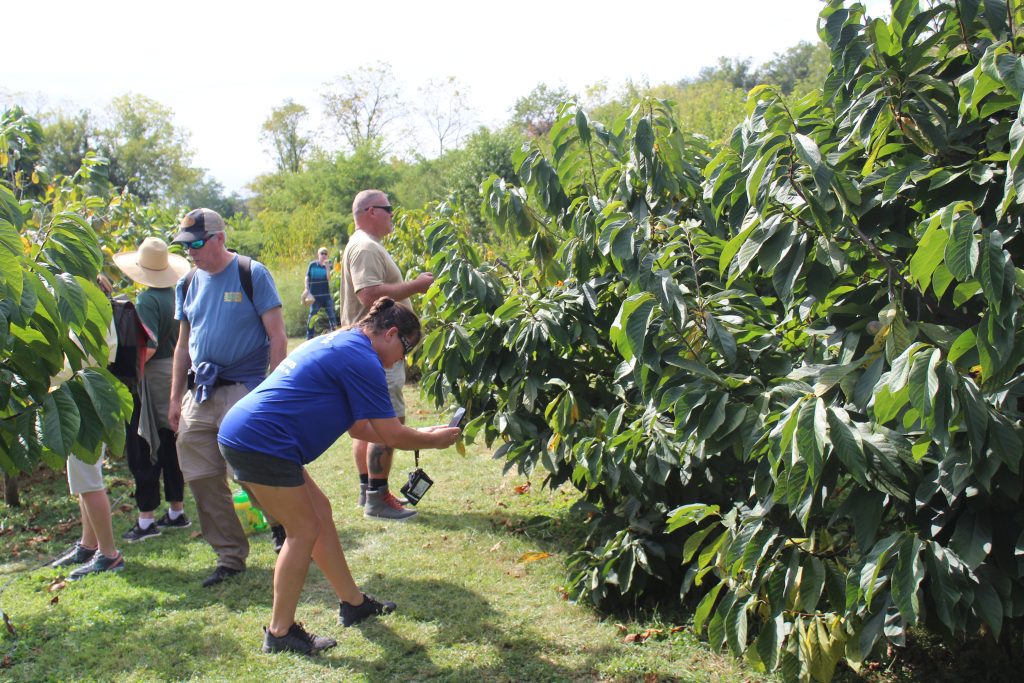
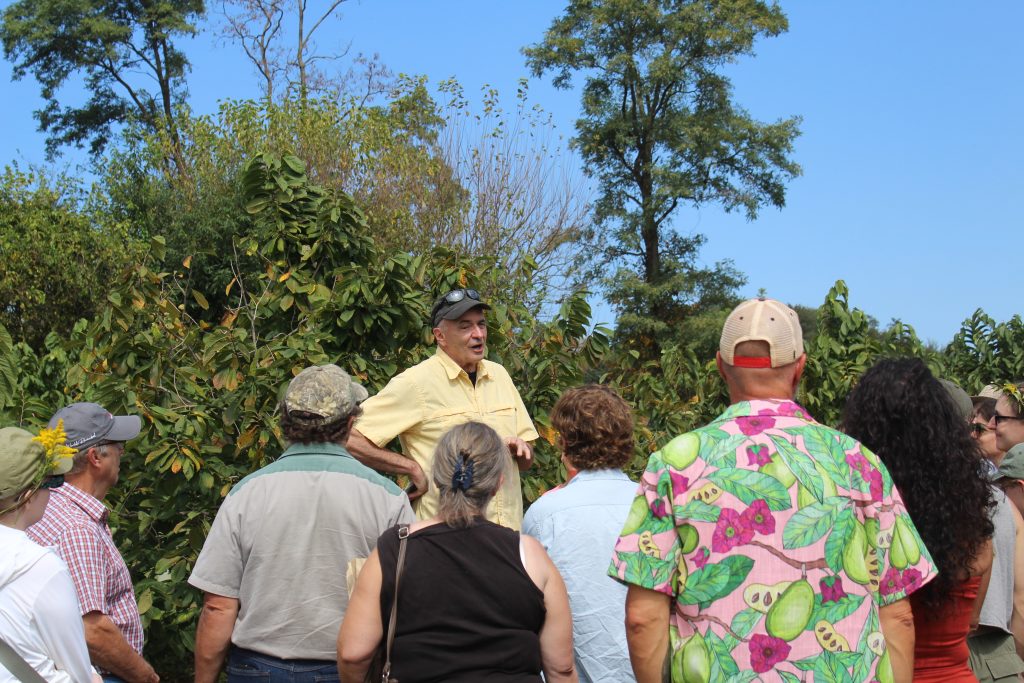
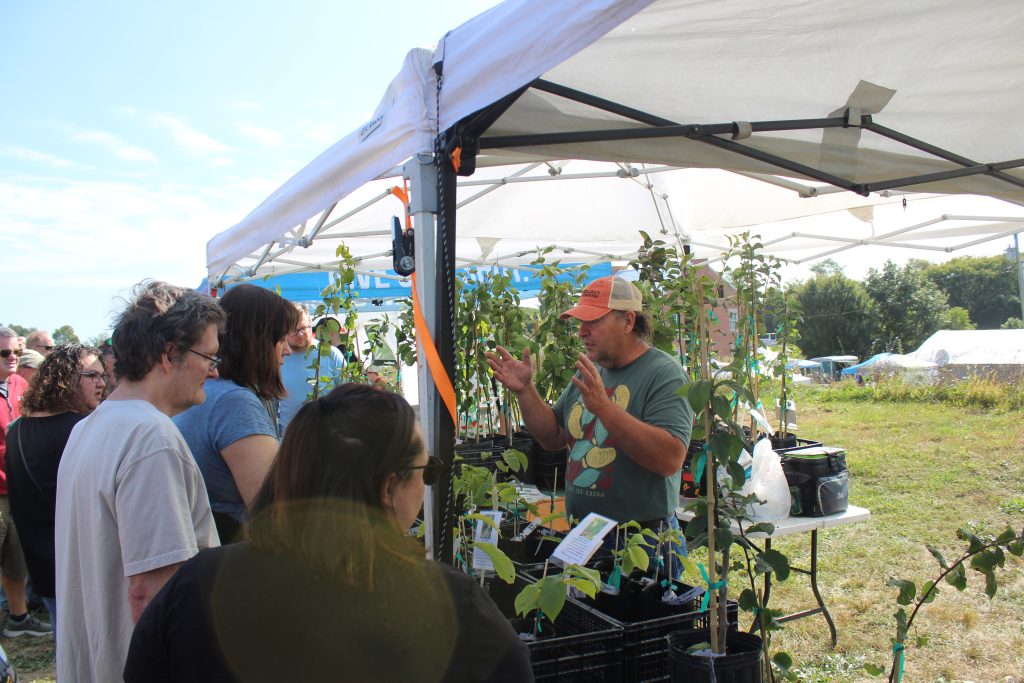
The Horn Farm Center offers experiences rooted in the land all year around, and the Pawpaw Festival is no exception. Attendees can tour our pawpaw orchard with Dick Bono, co-founder of the Pawpaw Festival and a passionate pawpaw grower. For questions about cultivation, propagation, and fruit varieties, he’s your resource!
Walking tours of the Horn Farm’s regenerative landscape will also take place throughout the festival, covering agroforestry, land restoration, foraging, and other superpower perennial crops like elderberries and basketry willows. Attendees can also purchase some of these uncommon tree products at the festival.
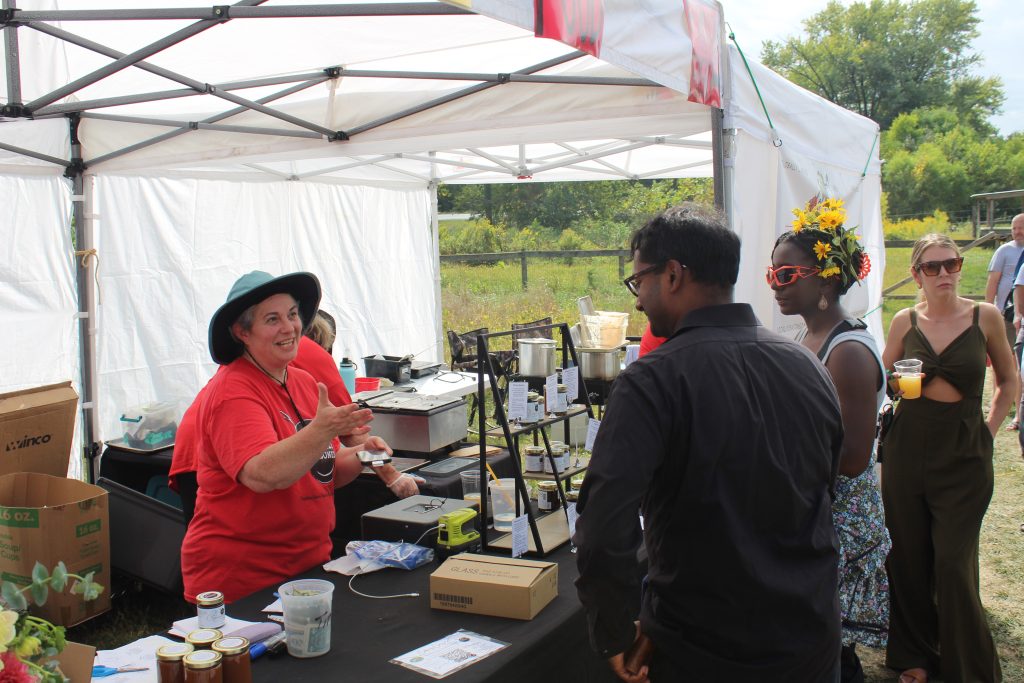
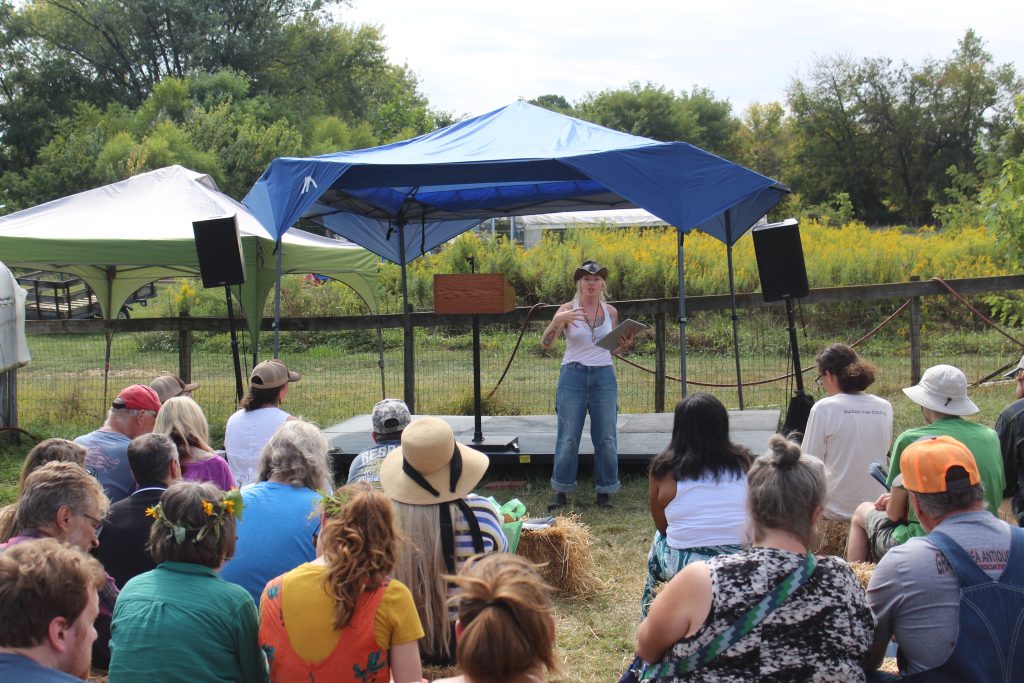
Among the 40+ vendors you’ll find at the event, many are educators ready to share earth-based wisdom. Our main stage will feature talks from the American Chestnut Foundation, the Penn State Master Gardeners, and more in the works!
2. Get Your Groove On
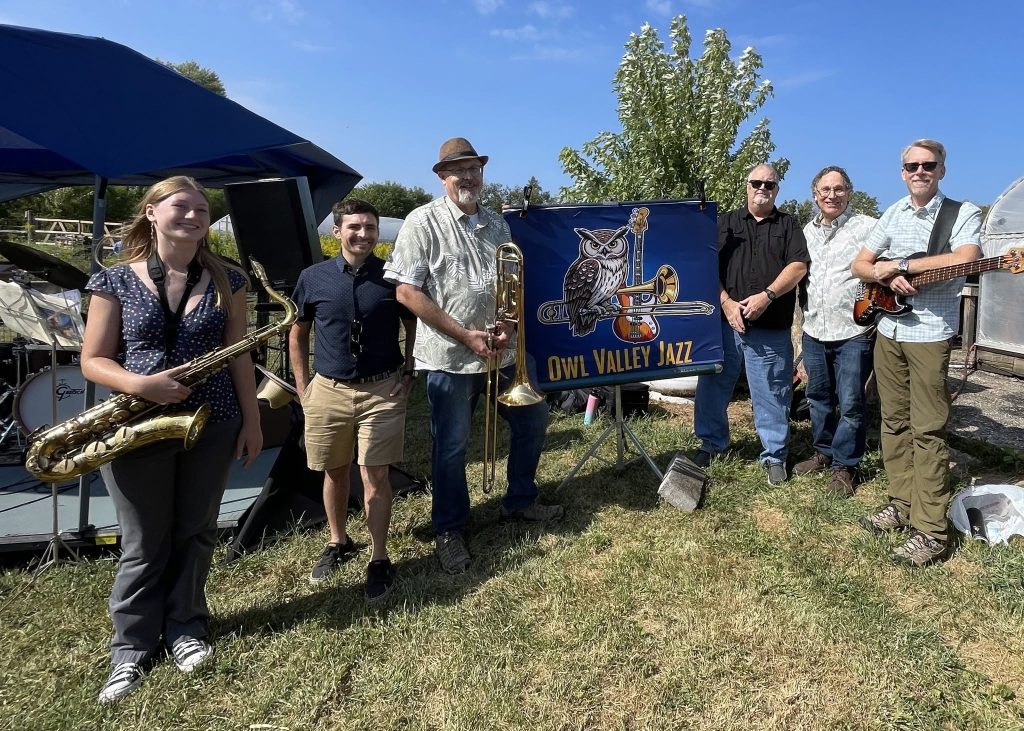
Between educational talks, four regional bands will serenade festival-goers with music as diverse as a pollinator garden.
Owl Valley Jazz will offer upbeat jazz standards and debut a new piece, “Pawpaw Calypso,” composed for the Pawpaw Festival!
Nodding Onion will return to the Horn Farm with mellow, enchanting plant-based waves (you have to be there see what we mean!). We’re also welcoming two new performers to the festival stage–folk and old-time duo Hippy Dippy Compost Bucket and solo indie-pop artist Weird Mirror, a student in the Horn Farm Center’s Regenerative Grower Training Program!
3. Enjoy Fun Activities for Everyone in the Family
More and more families come out to the Pawpaw Festival each year. Beyond the tastes and the tours, there’s lots of fun to be had!
For 2026, we’re excited to welcome two local creatives who will offer new and interactive experiences in our kids’ area.
Children’s author Cathy Mears-Martin will inspire kids to take eco-friendly actions with her Eco Protection Squad books and activities. Sarah Steinhauer’s “Art Anywhere” program invites all ages to get creative with reused and recycled materials, blending hands-on public art with take-home projects.
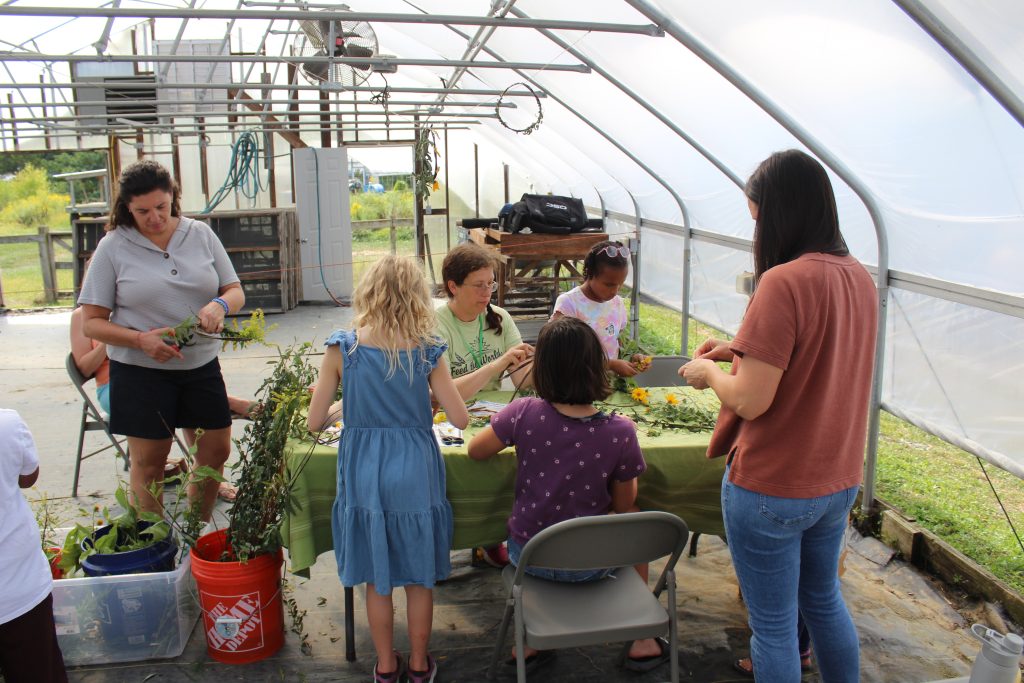
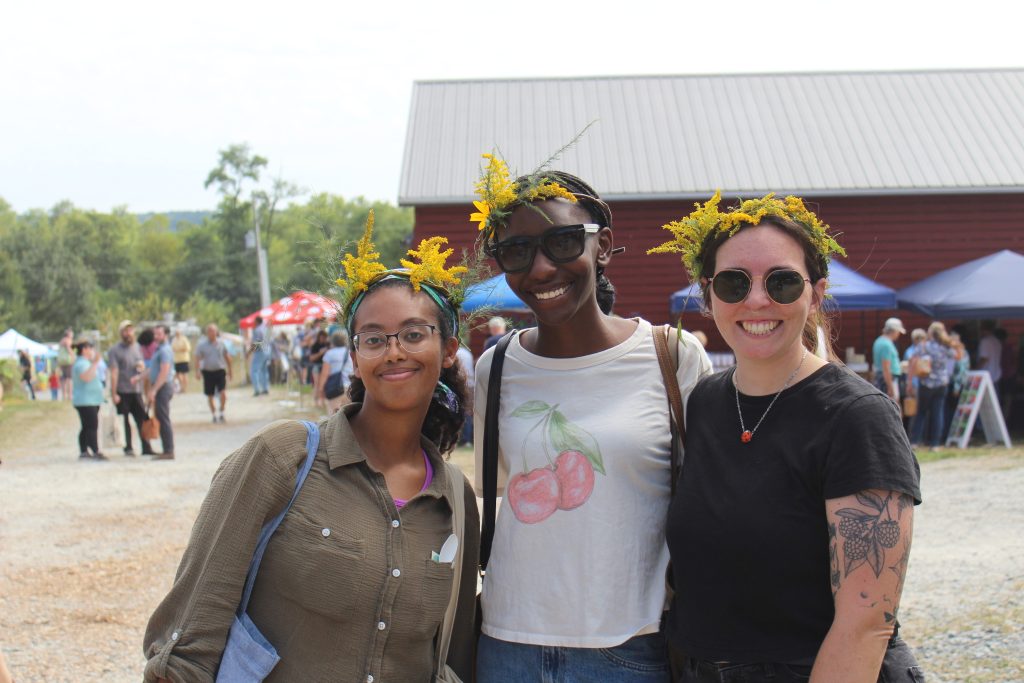
Other popular family-friendly activities will also resurface for the 2026 Festival, including make-and-take flower crowns with Horn Farm-grown willows and wildflowers, a Pawpaw Coloring Contest, and a Pawpaw Scavenger Hunt.

4. Indulge in Uncommon Eats
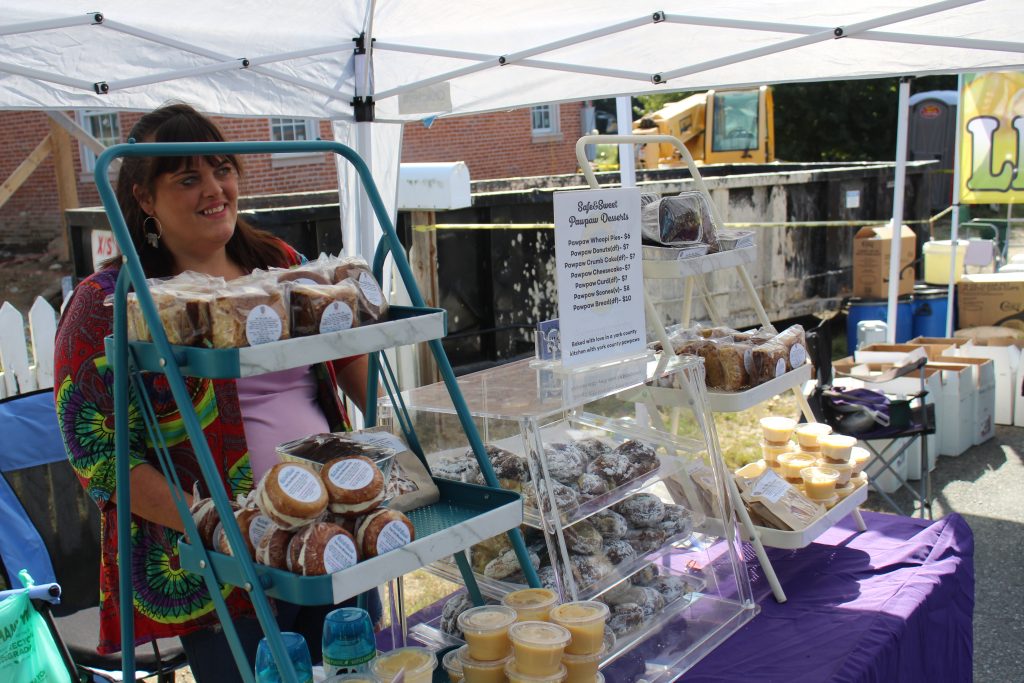
Ever tried pawpaw beer? Pawpaw chutney? Pawpaw baked goods? Pawpaw hot sauce? Even pawpaw SOAP (not for eating, of course!)
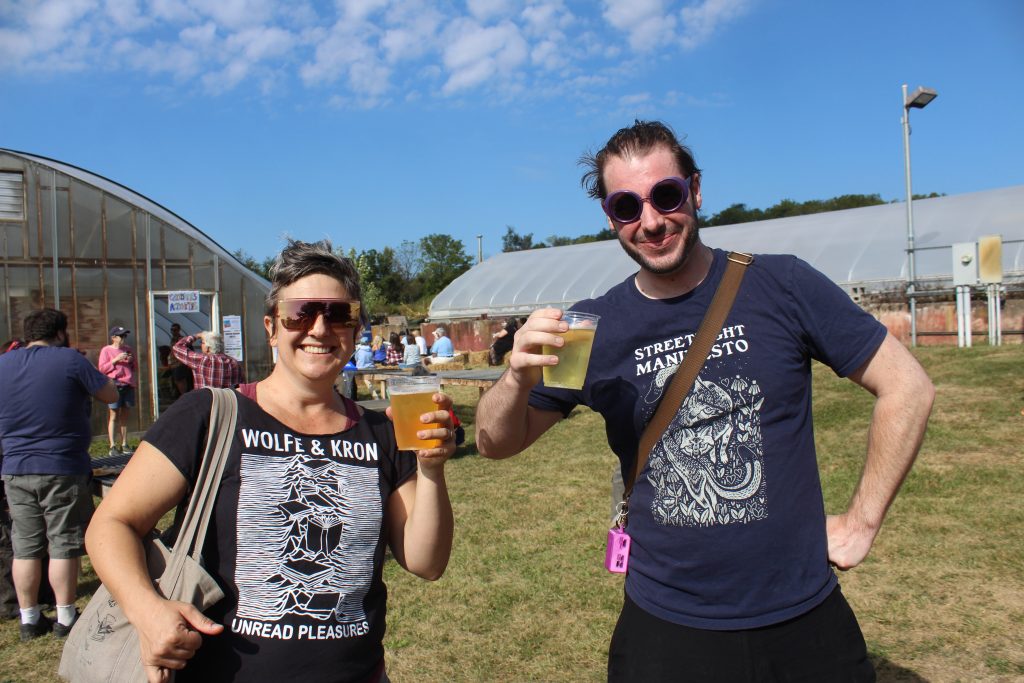
In 2025, Pawpaw Festival vendors understood the assignment, transforming this funky and fleeting fruit into unforgettable treats for festival-goers to try and buy. The enthusiasm for exploring all of pawpaw’s culinary possibilities continues, so we’re eager to see what 2026 will bring! One big highlight that will return this year is Collusion Tapwork’s pawpaw ale.
Beyond pawpaw offerings, we’ve also got a mouth-watering spread of local food trucks and prepared food vendors on deck. Burgers, coffee, popcorn, granola, keto and gluten-free goods–you name it!
The gastronomic experiences even extend beyond the Pawpaw Festival, with Locally Seasoned hosting a pawpaw cooking class on Sunday, September 20th and Collusion Tapworks offering a small-batch pawpaw sour on tap at their York location, September 17-18 “until the keg kicks.”
5. Celebrate with Earth-Loving Community
It’s always a pleasure to see so many people converging at the Horn Farm to enjoy good company, savor local flavors, and learn about the land.
For the green-thumbs, five native plant vendors will offer enough vegetation to grow a forest--nut trees, perennial herbs, and, of course, pawpaw trees, which are always in high demand. In fact, pawpaw trees have a history of selling out at the festival, so we encourage getting a ticket for an early entry time if you want one!
The September landscape at the Horn Farm is also a sight to see. Asters, goldenrod, and sunchokes in bloom; wild pawpaws bearing fruits; pollinators buzzing about for their final rounds of the growing season. A walk around the farm offers not only education, but a sense of wonder in a place where agriculture and natural ecosystems coexist.

With so much to do and see, the 2026 Pawpaw Festival can’t be missed.
So of course, when asked whether it’s worth the trip, we say “yes, you absolutely must attend the Pawpaw Festival!”
Ask anyone operating a small farm this year and they’ll tell you: now especially is a time to double down and support your local growers, even amid scarcity. And there’s a bonus sixth reason for you!
The Pawpaw Festival isn’t just the Horn Farm Center’s largest annual fundraiser. It’s also our way of giving farmers, pawpaw growers and other small businesses the customers they need to stay afloat. The growers we support are working tirelessly to foster a regenerative future — one where native perennials and tree crops are the norm rather than the exception, where biodiversity abounds, and where farming leaves a lighter impact on the land. So, while mother nature has confronted us with a challenging year, we hope to see you at the Horn Farm for another joyous, educational, and memorable Pawpaw Festival!
Learn More:
2026 York County Pawpaw Festival | Saturday, September 19, 9AM-5PM
2026 Wild & Uncommon Weekend | Thursday, September 17 – Sunday, September 20


